



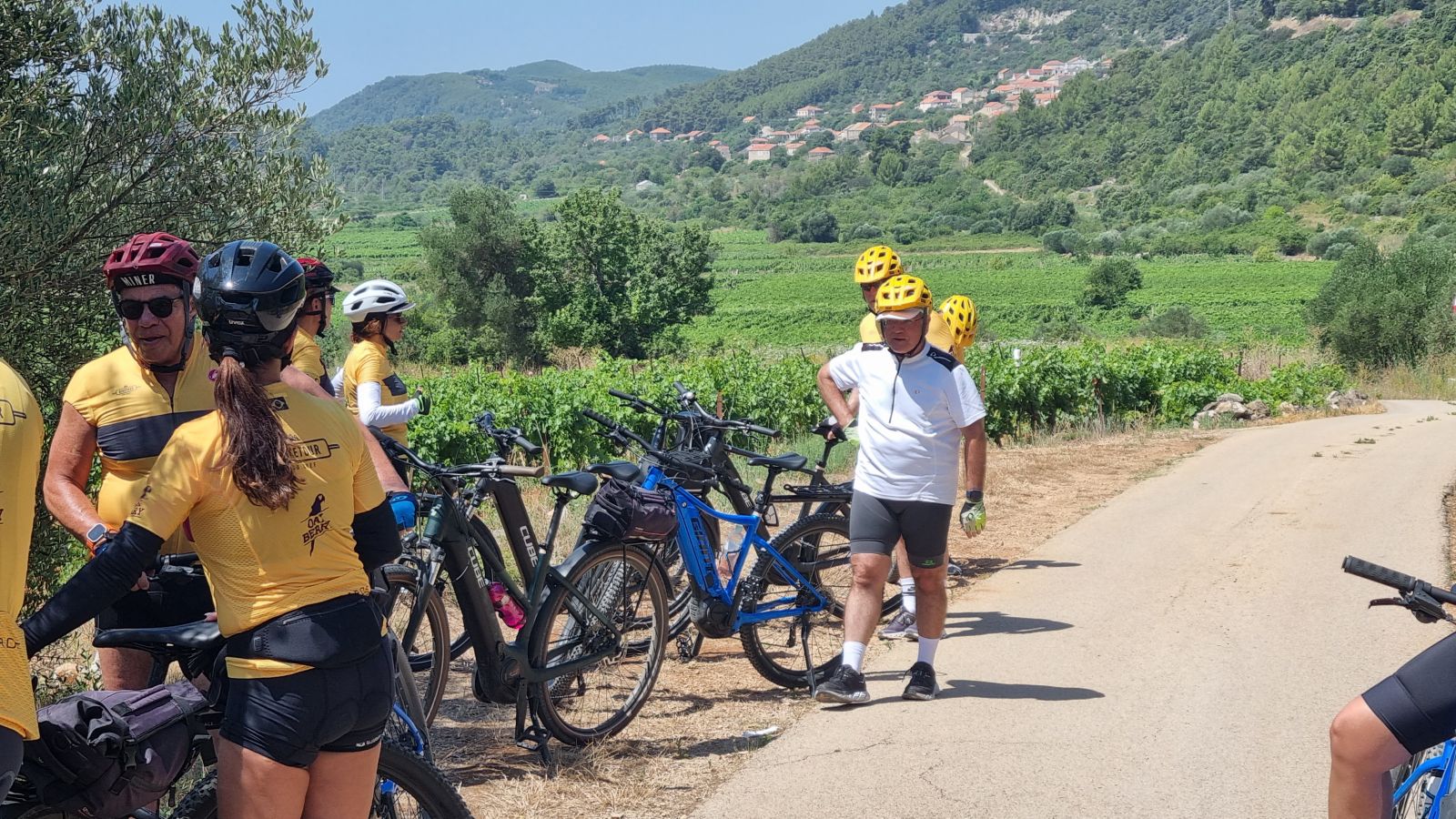
Intro
Other info
Prices:
There are 2 type of accommodation: basic and standard.
Basic accommodation: apartments or B&Bs with private bathrooms, breakfast included
Standard accommodation: mix of 3* & 4* hotels and higher-quality B&Bs.
Basic accommodation Single supplement
April, May, October 1430 EUR 240 EUR
June, September 1520 EUR 300 EUR
July, August 1670 EUR 320 EUR
Standard accommodation Single supplement
ItineraryClick to open

Day 1 - Arrival to Split
Warm up ride: 20 km
Overnight: Split
Split is Croatia's vibrant coastal hub, built around the 1,700-year-old Diocletian's Palace, a living UNESCO World Heritage Site full of narrov stone streets, cafes and ancient Roman architecture. The waterfront Riva promenade buzzes with Mediterranean energy while the nearby Marjan forest park offers peacefull pine-covered hills overlooking the Adriatic.
Your ride: If you take the warm-up ride through Marjan Park, you'll cycle quiet roads lined with cypress and pine, pass stone chapels and enjoy panoramic viewpoints over Split, the Brač channel and the island you will soon explore.
Day 2 - Split -Hvar
Ferry to Stari Grad
Cycling: 42 km Elevation: 600 m
Overnight: Hvar town
Few cities impress like Dubrovnik, a UNESCO World Heritage jewel known as the “Pearl of the Adriatic.” Its marble streets, baroque churches, and massive stone walls rise dramatically above the sea.
Within the walls lie cafés, artisan shops, monasteries, and palaces. Outside the old town, the coastline offers hidden coves, viewpoints, and the lush Lokrum Island, just a short boat ride away.
After your morning transfer from Ston, you end the tour in Dubrovnik. Spend your final hours discovering this world-famous city, walking the full length of the walls, swimming below the cliffs, or relaxing in one of the charming stone piazzas.
Our other tours
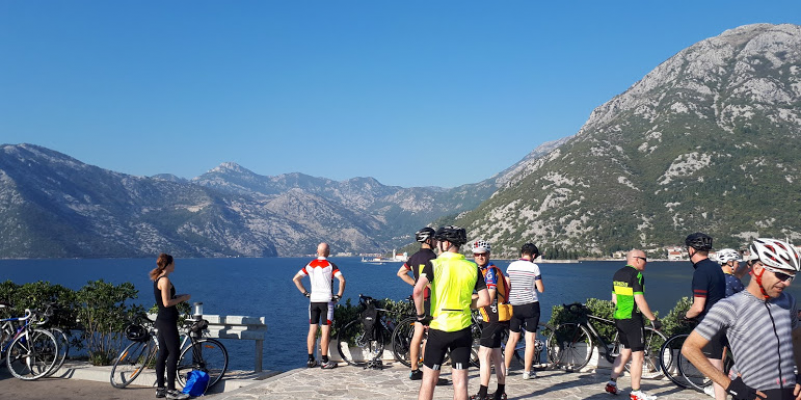
Cycling west Balkan triangle - selfguided
Self-guided “Cycling tour of west Balkans triangle” is designed and created for a minimum of two cyclists wanting to get to know this vibrant geographical and historical part of Europe. The road takes you through hills and mountains of the Dinarids, through valleys and villages with traditional…
More +
Biking Croatia coast
The tour begins in the near vicinity of Dubrovnik, in Konavle region, where you will spend first two days of your cycling adventure. In the next days you continue to Pelješac peninsula, followed by the island of Korčula. Island cycling continues on the island of Mljet (national park), from…
More +
Cycling west Balkan triangle - guided
Welcome to an exhilarating adventure that transcends borders and invites you to explore the hidden gems of the West Balkans. Our Guided Bike Tour: West Balkan Triangle is a thrilling journey through the heart of Southeast Europe, where the rich tapestry of cultures, stunning landscapes, and historical…
More +

Ciro bike tour - 7 days - self guided
The Ćiro trail is a bike route from Dubrovnik in the south of Croatia to Mostar in Bosnia and Herzegovina. This cycling route follows an original steam locomotive railway which was built in 1903 during the Austro-Hungarian Empire and closed in 1976. In November 2017 it was re-opened…
More +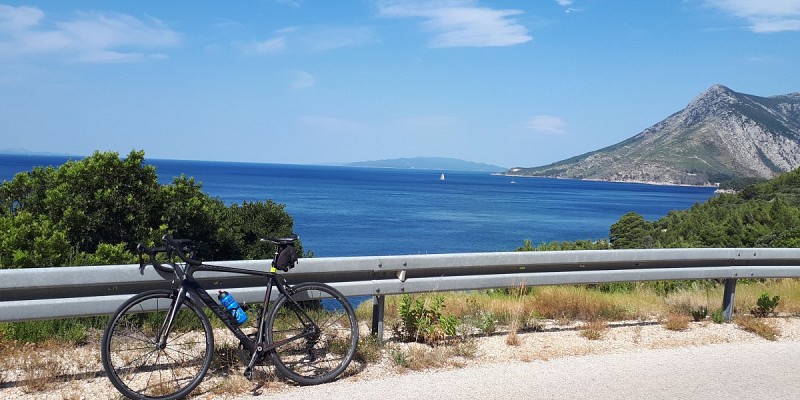
Croatian coast bike tour - 5 days/4 nights
A Journey Through Timeless Beauty: 5 Days of Self-Guided Cycling in Southern Croatia Picture yourself pedaling through the heart of southern Croatia, where history, nature, and culture blend seamlessly. This 5-day, self-guided bike tour invites you to explore a region steeped…
More +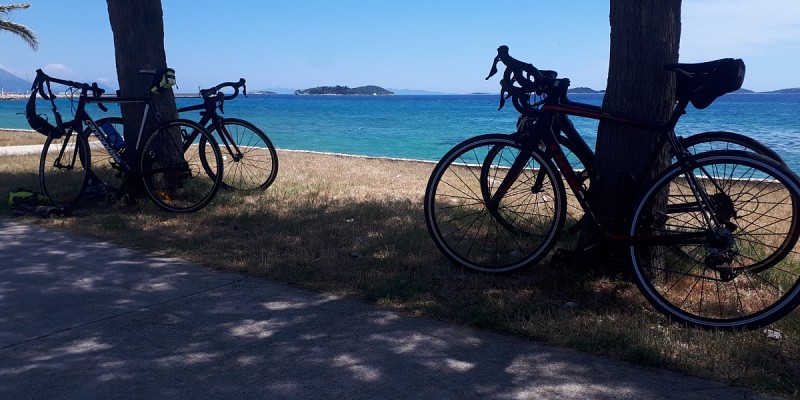
Croatian coast cycling journey
Embark on a self-guided cycling adventure along Croatia’s stunning southern coast. Starting in the historic city of Split, this tour offers the perfect blend of island hopping and scenic cycling. You’ll explore the breathtaking islands of Hvar, Mljet (with its renowned National Park),…
More +